
The Durable Medical Equipment (DME) industry continues to expand as healthcare providers seek innovative ways to improve patient outcomes while reducing costs. With an aging population, increasing chronic disease prevalence, and a growing preference for home-based healthcare, opportunities for DME Startups have never been greater.
However, entering the DME market is far from simple. New businesses must navigate complex regulations, accreditation requirements, payer enrollment processes, credentialing standards, and operational challenges before they can successfully serve patients and generate revenue.
For entrepreneurs and healthcare professionals looking to launch or expand a DME business, having the right support system can make the difference between long-term success and costly setbacks. This guide explores how DME Startups and growing DME providers can establish a strong foundation, achieve compliance, and scale effectively with professional guidance from All State DME Consultants.
Why the DME Industry Continues to Grow
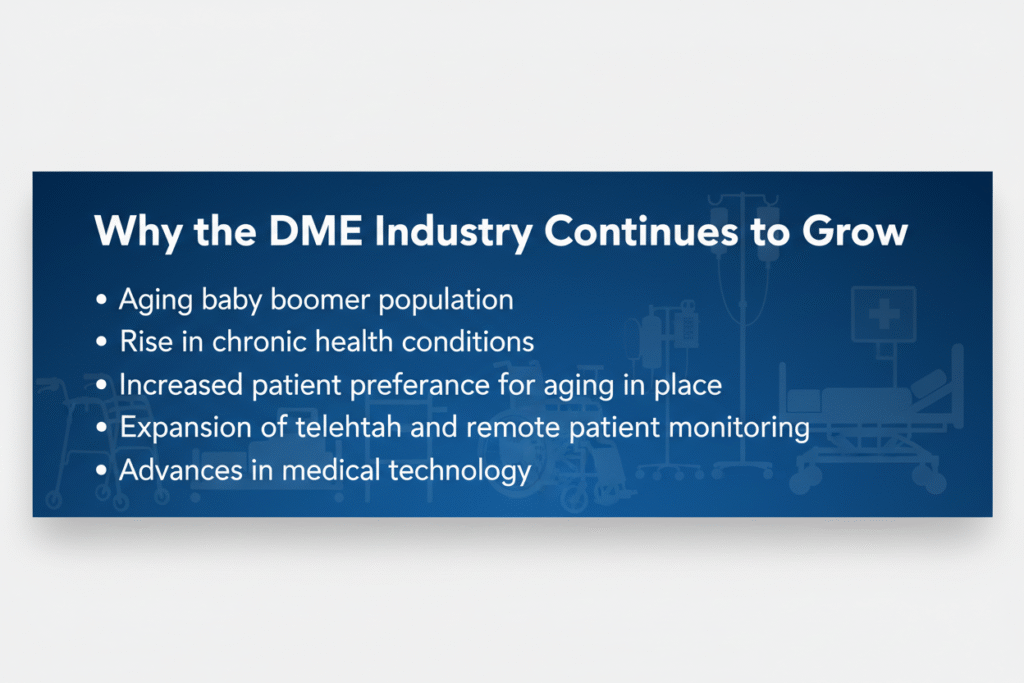
The U.S. durable medical equipment market has experienced significant growth over the past decade. Several factors are contributing to increased demand:
- Aging baby boomer population
- Rise in chronic health conditions
- Growth of home healthcare services
- Increased patient preference for aging in place
- Expansion of telehealth and remote patient monitoring
- Advances in medical technology
Common DME products include:
- Wheelchairs
- Hospital beds
- Oxygen equipment
- CPAP devices
- Walkers and mobility aids
- Diabetic supplies
- Orthopedic braces
- Patient monitoring equipment
As demand increases, entrepreneurs see tremendous opportunities to establish successful DME businesses. However, market growth also brings increased competition and regulatory scrutiny.
Challenges Facing DME Startups
Many new providers underestimate the complexity of launching a compliant DME business. Before serving patients or billing insurance providers, businesses must complete numerous administrative and regulatory steps.
Some of the most common challenges include:
1. Understanding Federal and State Regulations
DME businesses must comply with:
- Medicare requirements
- Medicaid regulations
- State licensing requirements
- HIPAA regulations
- Supplier standards
- Accreditation standards
Failure to comply can result in delayed approvals, denied claims, audits, penalties, or loss of billing privileges.
2. Obtaining DME Accreditation
One of the most critical milestones for new providers is obtaining DME Accreditation.
Accreditation demonstrates that a business meets nationally recognized quality and compliance standards. It is often required before providers can enroll with Medicare and many commercial insurance companies.
The accreditation process typically includes:
- Policy and procedure development
- Staff training documentation
- Quality improvement programs
- Infection control plans
- Facility inspections
- Mock surveys
- Compliance assessments
Without proper preparation, accreditation delays can significantly postpone a startup’s launch timeline.
3. Managing Credentialing and Enrollment
Many new business owners struggle with insurance enrollment and credentialing requirements.
This is where DME Accreditation and Credentialing Support becomes essential.
Credentialing often involves:
- Medicare enrollment
- Medicaid enrollment
- Commercial payer applications
- CAQH management
- NPI registration
- Provider verification
Each payer may have unique requirements and processing timelines, creating administrative complexity for startups.
4. Cash Flow and Revenue Delays
Many DME Startups face financial challenges during their first year.
Common issues include:
- Slow payer approvals
- Delayed reimbursements
- Inventory expenses
- Staffing costs
- Technology investments
Proper planning and professional consulting support can help businesses avoid costly mistakes and accelerate revenue generation.
The Importance of DME Accreditation
Accreditation serves as the foundation of a compliant and trustworthy DME business.
What Is DME Accreditation?
DME Accreditation is a formal evaluation process conducted by approved accrediting organizations to verify that a provider meets industry standards for quality and patient care.
Benefits include:
- Medicare compliance
- Increased payer acceptance
- Enhanced credibility
- Reduced regulatory risk
- Improved operational processes
- Better patient outcomes
Accreditation is not simply a regulatory requirement—it is a business asset that helps establish trust among patients, referral sources, and insurance companies.
Common Accreditation Standards
Accreditation surveys typically evaluate:
- Patient rights
- Complaint management
- Risk management
- Infection control
- Equipment maintenance
- Staff competency
- Emergency preparedness
- Quality assurance programs
Businesses that prepare early often experience smoother surveys and faster approvals.
How DME Accreditation and Credentialing Support Helps New Providers
The accreditation and enrollment process can be overwhelming for first-time business owners.
Professional DME Accreditation and Credentialing Support simplifies these complex requirements and reduces the likelihood of errors.
Services Often Include
Accreditation Preparation
- Policy development
- Procedure manuals
- Compliance reviews
- Mock surveys
- Staff training support
Credentialing Assistance
- Medicare enrollment
- Medicaid enrollment
- Commercial payer enrollment
- CAQH profile management
- Provider credentialing
Compliance Consulting
- Regulatory guidance
- Documentation review
- Audit preparation
- Ongoing compliance monitoring
Operational Planning
- Workflow optimization
- Business development support
- Revenue cycle guidance
- Growth strategies
By partnering with experienced consultants, DME providers can focus on patient care while experts manage administrative requirements.
Essential Steps for Launching a Successful DME Business
Step 1: Develop a Comprehensive Business Plan
A strong business plan should include:
- Market analysis
- Competitor research
- Product selection
- Revenue projections
- Startup budget
- Marketing strategy
A detailed plan helps attract investors and provides a roadmap for growth.
Step 2: Choose the Right Business Structure
Business owners typically choose among:
- LLC
- Corporation
- Partnership
- Sole Proprietorship
Professional legal and financial guidance is recommended during this phase.
Step 3: Obtain Required Licenses and Registrations
New providers may need:
- State business registration
- Tax identification numbers
- Local permits
- State healthcare licenses
- NPI registration
Requirements vary by state and product category.
Step 4: Complete DME Accreditation
Accreditation should be prioritized early in the startup process.
Many providers discover that accreditation preparation takes longer than expected due to documentation requirements and survey readiness standards.
Step 5: Complete Payer Enrollment
After accreditation, providers typically begin enrollment with:
- Medicare
- Medicaid
- Commercial insurance carriers
- Managed care organizations
Successful enrollment enables providers to submit claims and receive reimbursement.
Step 6: Establish Compliance Systems
Ongoing compliance protects the business from regulatory risks.
Important systems include:
- HIPAA compliance programs
- Employee training
- Documentation management
- Internal audits
- Quality assurance programs
Growth Strategies for Established DME Providers
Support is not only important for startups. Growing DME providers also face challenges as they expand operations.
Expand Product Offerings
Adding new product categories can increase revenue opportunities.
Examples include:
- Respiratory equipment
- Mobility products
- Orthotics and prosthetics
- Diabetes supplies
- Remote monitoring solutions
Strengthen Referral Networks
Referral relationships remain one of the most effective growth drivers.
Potential referral sources include:
- Hospitals
- Physician groups
- Home health agencies
- Skilled nursing facilities
- Rehabilitation centers
Invest in Technology
Modern technology can improve efficiency through:
- Electronic documentation
- Inventory management
- Billing automation
- Customer relationship management
- Telehealth integration
Monitor Key Performance Indicators
Growing businesses should regularly track:
- Revenue growth
- Claim approval rates
- Patient satisfaction
- Referral volume
- Compliance metrics
Data-driven decision-making supports sustainable expansion.
Common Mistakes DME Startups Should Avoid
Underestimating Accreditation Requirements
Many businesses begin the process without understanding documentation requirements, leading to delays.
Poor Documentation Practices
Incomplete records can result in denied claims and compliance issues.
Delaying Credentialing Applications
Enrollment timelines can take months. Early submission is critical.
Ignoring Compliance Training
Employee education is essential for maintaining regulatory compliance.
Attempting Everything Alone
Many successful providers accelerate growth by leveraging expert consulting support.
Why Choose All State DME Consultants
Launching and growing a DME business requires expertise across accreditation, credentialing, compliance, and operations.
All State DME Consultants helps providers navigate these complex processes with confidence.
Services include:
- DME Accreditation support
- DME Accreditation and Credentialing Support
- Medicare enrollment assistance
- Medicaid enrollment assistance
- Commercial payer credentialing
- Compliance consulting
- Business startup guidance
- Growth strategy consulting
Whether you are launching your first DME company or expanding an established operation, professional guidance can save time, reduce risk, and improve long-term success.
The Future of DME Providers
The healthcare landscape continues to evolve, creating new opportunities for innovative DME providers.
Emerging trends include:
- Remote patient monitoring
- Home-based care expansion
- Digital health integration
- Value-based care models
- Artificial intelligence applications
- Advanced mobility technologies
Businesses that maintain compliance, embrace innovation, and prioritize patient outcomes will be best positioned for future growth.
Conclusion
The DME industry offers tremendous opportunities for entrepreneurs and healthcare organizations. However, success requires more than simply supplying equipment. Providers must navigate accreditation, credentialing, compliance, payer enrollment, and operational challenges before achieving sustainable growth.
For DME Startups, early preparation and expert guidance can significantly reduce delays, improve compliance, and accelerate profitability. Likewise, established DME providers can benefit from strategic support as they expand services and enter new markets.
All State DME Consultants provides comprehensive solutions designed to help providers succeed at every stage of their journey. From DME Accreditation and Credentialing Support to enrollment and compliance consulting, partnering with experienced professionals can help transform your vision into a thriving healthcare business.
Ready to start or grow your DME company? Contact All State DME Consultants today to streamline accreditation, strengthen compliance, and position your business for long-term success.